
Industry
Live event production (concerts/tours), feature film development/production, film distribution
Engagement Type
Capital stack remediation • Liability negotiation • Dilution-control strategy • Financing redesign • ’34 Act reporting readiness • Audit preparation • Ongoing disclosure controls
1) Starting Condition: Operating Business Working, Capital Structure Failing
Operating fundamentals: The issuer had active revenue-generating operations (ticketed concerts/events and film distribution), plus an identifiable pipeline of feature projects. Operationally, the business showed traction and repeatable execution.
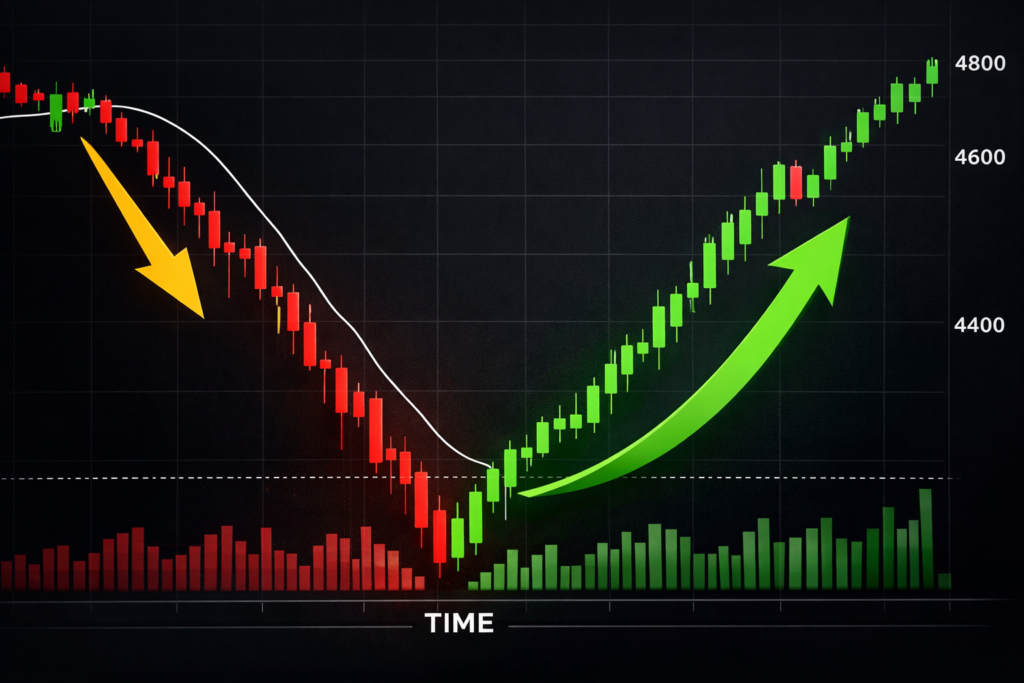
Market reality: The company’s public valuation and trading profile did not reflect operations due to persistent dilution and selling pressure driven by its financing design.
Primary constraint: The company was structurally trapped in a “financing-to-survive” cycle where the capital stack itself forced price compression, which then increased dilution, which then worsened price compression.
2) Root Cause Analysis: Why “Death Spiral” Took Hold
DiedrichCo’s initial diagnostic focused on identifying the specific mechanics that were impairing price discovery and investor confidence. Key drivers typically included:
A. Convertible instruments with strong sell-side incentives
Common features observed in distressed public issuers (and addressed in this engagement) include:
- Variable conversion pricing (conversion tied to market price, often at a discount)
- Deep conversion discounts to VWAP or lowest-traded prices over a lookback period
- Reset / anti-dilution protections that increase share issuance as price falls
- True-up provisions requiring additional shares if price declines after issuance
- Multiple tranches with rolling maturities that keep selling pressure constant
Mechanically: conversion-at-discount + ability to sell into the market = a rational strategy to monetize by selling, which suppresses the share price and magnifies dilution.
B. Capital stack opacity and instrument layering
- Multiple noteholders with inconsistent terms
- Overlapping security interests or ambiguous priority
- Frequent short-term financings that created “cap table noise” and undermined governance credibility
- Confusing disclosure and inconsistent share counts
C. Float distortion and market distrust
- Continuous issuance created the perception (and often reality) of “unlimited supply”
- Investor base attrition: long holders exit due to repeated dilutive events
- New investors demand punitive terms because the risk profile appears uncontrolled
3) DiedrichCo’s Workplan (Technical)
The engagement was executed in sequenced phases to reduce systemic risk while maintaining continuity and protecting long-term holders.
Phase I: Instrument-Level Forensics and Dilution Modeling
Before negotiating or restructuring, DiedrichCo created a mechanics map and a dilution waterfall:
Deliverables:
- Instrument register: each note/convert, maturity, conversion mechanics, default triggers, penalties, registration rights, fees, collateral, and covenants
- Conversion scenario analysis: modeled expected share issuance under realistic trading bands
- Overhang and supply schedule: estimated future issuance timing by instrument
- Trigger risk matrix: mapped technical defaults, events of default, and cross-default contagion risk
- Disclosure reconciliation: tie-out between public disclosures, transfer agent data, and modeled issuance
Purpose: quantify the “structural sell pressure” and identify which instruments were most destructive so negotiations could be prioritized.
Phase II: Liability Negotiation and Feature Neutralization
DiedrichCo pursued a targeted negotiation strategy centered on removing or softening mechanisms that forced dilution and selling.
Common negotiated outcomes:
- Discount compression: reduced conversion discounts to more market-standard ranges
- Fixed pricing conversions (where feasible) to eliminate variable-price spiral dynamics
- Reset limitations: capped or removed down-round/reset mechanics
- True-up buyouts: replaced future share true-ups with defined settlement terms
- Default cure strategy: eliminated technical defaults that triggered penalty rates, fee escalators, or accelerated issuance
- Maturity extensions: re-timed near-term maturities to reduce “rolling crisis” financings
Creditor strategy:
- Prioritized counterparties based on:
- dilution impact per dollar
- legal leverage / documentation strength
- probability of settlement
- urgency (maturity and default posture)
- reputational impact and market signaling
Result: reduced near-term insolvency pressure and removed key structures that incentivized continuous market selling.
Phase III: Capital Structure Redesign (Without a Shareholder Wipeout)
A typical distressed-issuer response is a “reset recap” that cleans the stack but destroys long-term shareholders. DiedrichCo designed a restructuring approach intended to stabilize the equity while preserving core holders.
Technical approach:
- Cap table rationalization: simplified outstanding equity and derivative complexity
- Supply discipline controls: introduced internal issuance governance so the company couldn’t revert to indiscriminate issuance
- Sequencing plan: aligned corporate actions and financing steps to avoid chaotic market messaging (a key driver of liquidity collapse)
- Investor protection posture: structured actions to avoid “implicit wipeout” outcomes that permanently impair trust
Result: restored a credible capitalization framework that allowed the market to evaluate operations rather than financing mechanics.
Phase IV: Replace Toxic Capital With Operational Capital
With the spiral mechanics neutralized, DiedrichCo supported a financing redesign focused on capital tied to operational execution—not dilution extraction.
Financing principles implemented:
- Use-of-proceeds discipline: funds tied to project budgets (events and film slate), distribution milestones, and measurable ROI drivers
- Runway credibility: cash plan matched to production cycle timing and receivable schedules
- Term hygiene: avoided structures that reintroduce variable-price conversion pressure
- Communication alignment: investor narrative supported by numbers that can be defended in disclosure
Result: raised growth/operational capital to fund new projects and stabilize execution cadence.
Phase V: ’34 Act Registration Readiness and Audit Prep (Technical Build)
To support durable capital access, DiedrichCo guided the company toward a public-company-grade reporting posture.
Key technical readiness components:
- Close process design: monthly close cadence, variance review, and documentation support
- Revenue recognition and contract documentation: especially critical for:
- live events (deposits, settlements, promoter agreements)
- film distribution (licensing, rev share, MGs, deliverables)
- Project accounting controls: budget vs actual, capitalization policies, cost tracking by project
- Disclosure controls: repeatable workflow for drafting, review, tie-outs, and evidence retention
- Audit readiness: schedules, support packages, and a clean source-of-truth structure for auditors/counsel
Result: the issuer transitioned from reactive disclosure to repeatable compliance infrastructure, improving credibility with investors and counterparties.
4) Results (Technical Outcome Summary)
- Dilution mechanics materially reduced by neutralizing high-pressure convert features (discounts/resets/true-ups/default escalators)
- Liabilities negotiated down and re-timed to eliminate rolling maturities that forced emergency financings
- Capitalization simplified and re-governed to restore rational price discovery
- Operational capital raised for concerts/events and film slate execution under cleaner terms
- Audit preparation and ’34 Act reporting readiness advanced through close discipline, project accounting controls, and disclosure workflows
- Ongoing compliance maintained to prevent relapse into toxic financing patterns
5) What This Means for Issuers
When a public company is trapped in a death spiral, the problem is rarely “lack of interest.” It’s the predictable outcome of financing mechanics that create continuous supply and rational sell pressure.
The solution is technical and sequential:
- model the mechanics,
- neutralize the worst features,
- redesign the cap stack and governance,
- replace toxic capital with operational capital, and
- build reporting discipline so credibility persists.
That is the process DiedrichCo executed—so the market could finally evaluate the company on its operations, not its overhang.