Reverse Takeover (RTO) Advisory.
Velocity of Execution. Historical Precedent. The Definitive Mechanism for Market Dominance.
The Untold Power of the Reverse Takeover
To the uninitiated, a Reverse Takeover (RTO) is often misunderstood as a niche corporate maneuver or a quiet backdoor entry.
This is a profound misreading of financial history. Some of the most iconic, high-impact enterprises on global exchanges did not enter the public arena through a traditional initial public offering. Instead, their boards utilized the structural velocity of an RTO to secure immediate public status, lock down capital-market advantages, and leave slow-moving competitors behind.
When an elite private operating asset merges into a pristine public vehicle, it bypasses the grueling constraints, institutional underpricing, and window dependencies of the traditional banking syndicate. It transitions your enterprise from a private business into a public powerhouse on a highly compressed timeline.
Historical Precedents: The Blueprints of RTO Success
When boards question whether an alternative listing can drive multi-billion-dollar market caps and institutional scale, they need only look to the precedents that rewrote the rules of Wall Street:
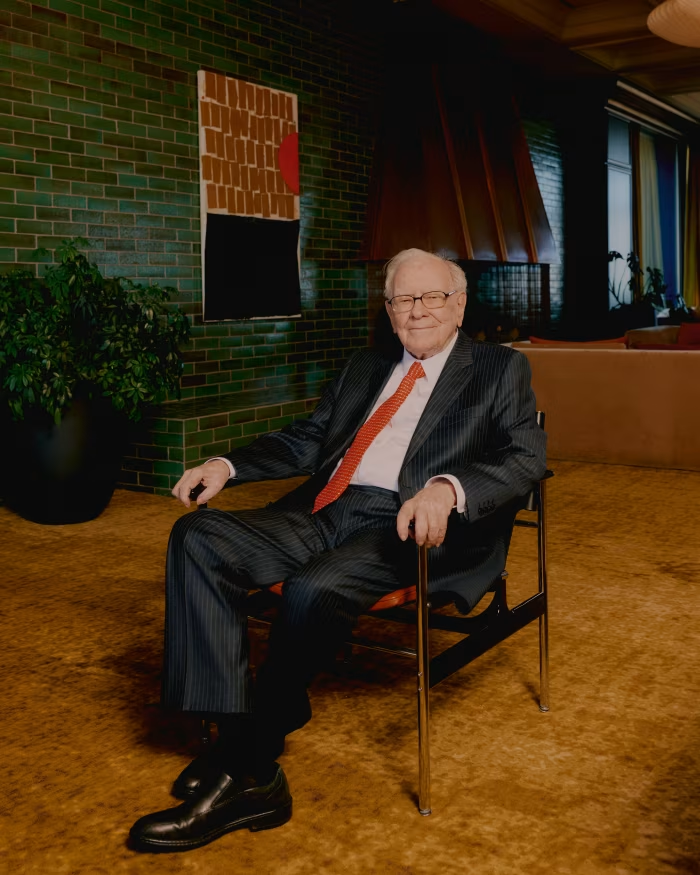
The Berkshire Hathaway Evolution
The very foundation of modern value investing was built via an alternative listing pathway. In 1965, Warren Buffett did not take his investment operations public through a standard underwriting process. Instead, he systematically accumulated a controlling stake in a struggling, publicly traded textile manufacturer: Berkshire Hathaway. By taking control of the public entity and pivoting its corporate anatomy toward insurance and capital allocation, he weaponized an existing public footprint to create one of the most valuable holding companies in financial history.
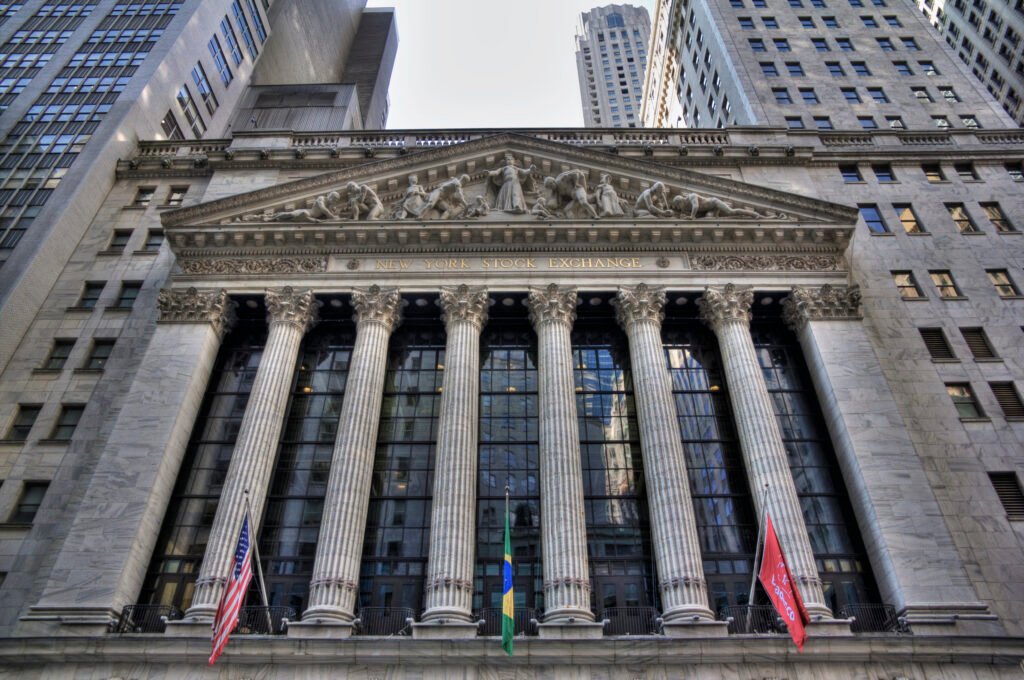
The NYSE Transformation
In 2006, the world’s most famous financial marketplace—the New York Stock Exchange itself—needed to modernize and transition from a member-owned cooperative into a publicly traded corporation. Rather than waiting for a standard, multi-stage underwriting syndicate to price its shares, the exchange executed an RTO. By merging into Archipelago Holdings, a clean, pre-existing publicly traded electronic exchange, the NYSE went public in a fraction of the standard timeline. It proved that the very building blocks of institutional finance trust the mechanics of the alternative listing path.

The Virgin Galactic Velocity
When Richard Branson sought to take Virgin Galactic public as the world’s premier commercial spaceflight firm, timing was an absolute corporate weapon. Instead of enduring an extended 12-month traditional listing gauntlet, the enterprise utilized an alternative business combination vector to merge into an active public asset structure. The transaction unlocked instant market access, protected the company’s valuation from underwriter fatigue, and allowed management to capitalize immediately on global visibility.
Why the RTO Path Serves as an Economic Growth Engine
For mid-market founders and highly consolidated roll-up platforms, an RTO is not just a listing pathway—it is a weapon of absolute economic mobilization:
The DiedrichCo Edge: Engineering Pristine Mechanics
The alternative public markets are inherently complex. Navigating this terrain requires an independent, unconflicted strategic layer that understands process risk and demands total execution certainty.
DiedrichCo does not operate in generic, legacy corporate shells burdened by hidden operational noise or historical liabilities. We deal exclusively in transaction-ready public structures engineered to institutional standards. We align your corporate finance functions with stringent listing requirements, manage simultaneous private placements. DiedrichCo positions your boardroom to maintain total compliance under the Securities Act of 1933 and the Exchange Act of 1934.
We do not just facilitate market listings; we handle the technical choreography so your executive leadership can focus entirely on dominating your industry from day one of public trading.